A bunch of years ago, a friend of mine got excited about a multilevel-marketing opportunity, and really wanted me to jump on board.
“There’s this great product that will really help you sleep,” he told me, knowing how badly med school had messed up my rest.
As a rule, I’m not into MLMs. Partly it’s an ethical thing: your doctor should not be making you part of their downline, she should be prioritizing your health. Mostly it’s because I just find MLMs creepy.
But I acknowledge that I don’t know everything, and some MLMs actually can have good products. (Yes, my water filter is a MultiPure. I am not a distributor.)
So I told my friend I’d try some things, and that if the specific product he recommended helped me sleep, I’d join.
tart cherry juice and sleep
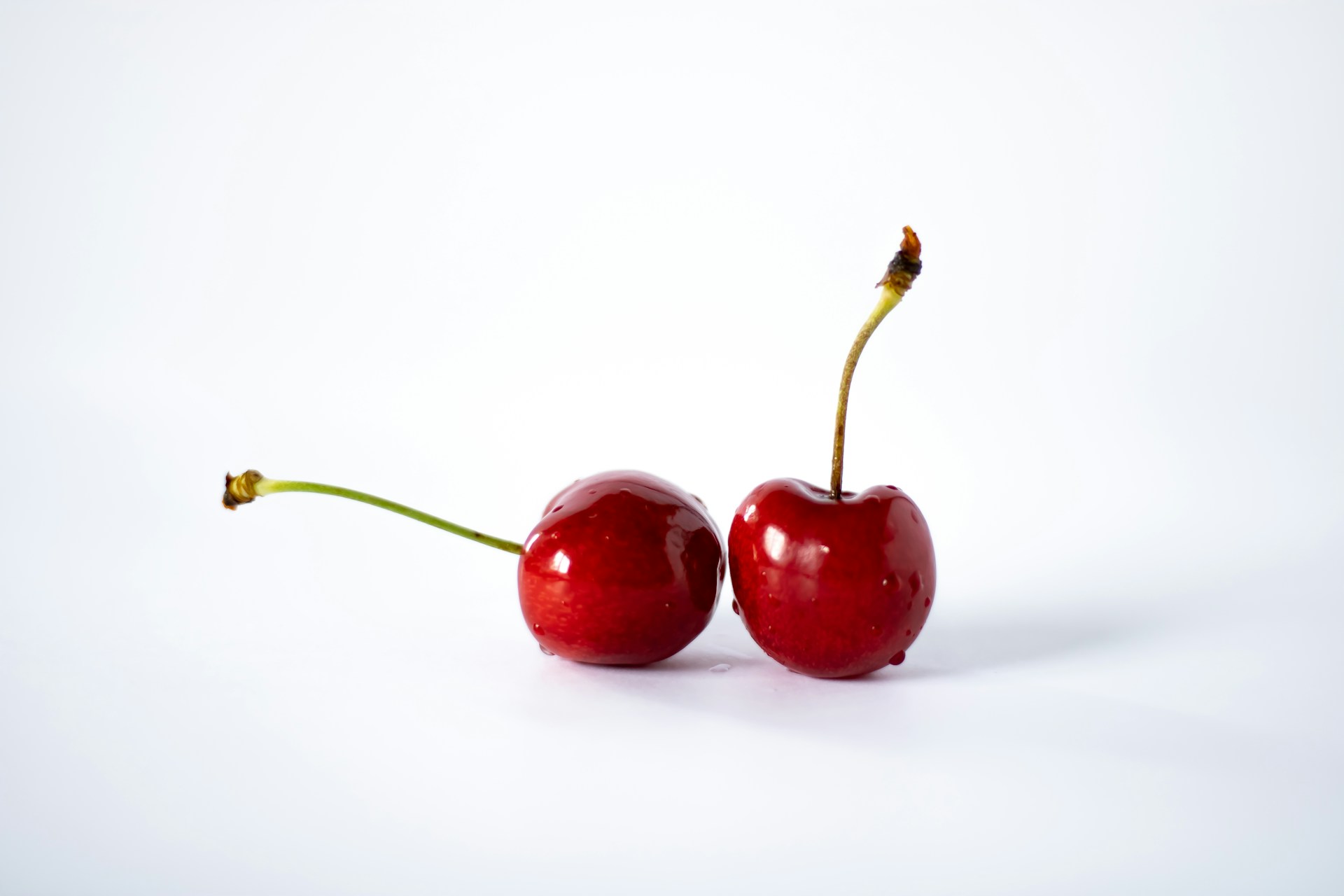
The product in question was a concentrated tart cherry juice. The promise was that a serving size (whatever that was) could improve sleep.
I tried it. It helped. I joined.
I never bought anything again.
First, because their groundbreaking meal-replacement shake (never really a good move) made me flush and itch.
And more importantly, because the lovely, yummy, natural tart cherry juice for sleep supplement did not actually support health.
first, some research
This just came back on my radar through a physician sleep group, where someone brought up this 2018 study, one of several very small trials investigating the tart-cherry/insomnia connection.
In this one, the 8 participants were all over age 50 and had a diagnosis of chronic insomnia. They were divided into two groups: One got the cherry juice for two weeks, nothing for two weeks, and then placebo for two weeks. The other got placebo first, and the cherry juice at the end. The juice dose was 240mL, or about 1 cup, twice daily. At the end of the two weeks or either placebo or juice, participants had their blood drawn, filled out sleep questionnaires, and spent a night in a sleep lab to get an objective measurement of how they slept.
You can’t really generalize about a treatment based on such a small number of people. But with that understanding, the results were intriguing. The sleep lab results showed the cherry juice gave participants an extra 84 minutes of sleep. And one of the questionnaires showed a significant improvement in sleep efficiency — the percentage of the night actually spent sleeping.
We don’t know whether this effect would have persisted if they’d continued the juice for a month. Would their sleep symptoms return?
plant medicine is complex and cool
And the way cherry juice does this is also interesting.
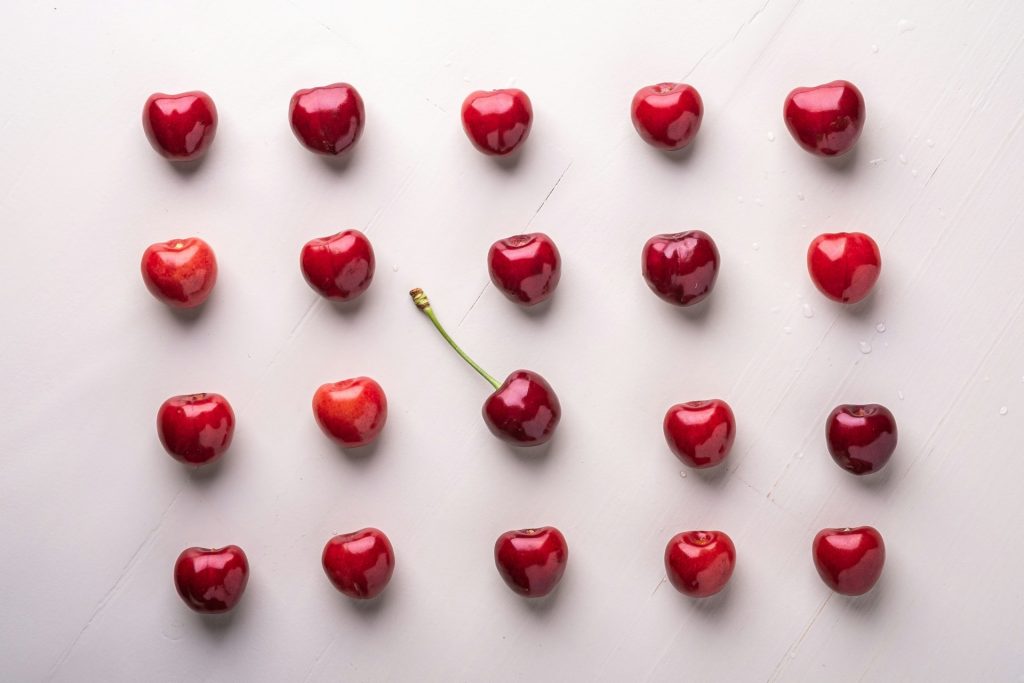
Cherries, especially tart varieties like Montmorency used here, are known to have small amounts of the sleep hormone melatonin. The study’s authors note, however, that what’s in cherries is several orders of magnitude smaller than even the lowest-dose melatonin supplements on the market. So it’s unlikely that the melatonin in cherries is responsible for the sleep effect, at least on its own.
Similarly, cherries have a small amount of tryptophan, an amino acid that’s credited for Thanksgiving turkey making you sleepy. Tryptophan is a raw material the body uses to make mood- and sleep-promoting serotonin, which in turn is used to make melatonin. Here again, the amount found in cherries is well below effective doses.
But plants have complex chemistry, and are great multitaskers. For instance, the colorful compounds in fruits and vegetables generally fight inflammation — one of the key drivers of illness. That’s why you’ll hear me and other doctors advising you to “eat the rainbow.”
Turns out, eating the rainbow helps with sleep, too.
The researchers found that one compound in tart cherry juice reduces both inflammation and a specific compound that degrades tryptophan. And they posit that this is how the juice helps you sleep.
unacceptable tradeoffs
It’s a small study, but that’s a pretty interesting result. And it comported with my experience with that MLM product years ago. And presumably with other folks who used it.
So what’s the problem?
Sleep is foundational for health, but it’s not the only pillar supporting overall wellness. And two cups a day of tart cherry juice fails spectacularly at protecting metabolic health.
In nature, most sugar comes packaged with fiber, which slows the sugar’s absorption into your blood stream. So an apple doesn’t jack your blood sugar the same way apple juice does.
And because spiking blood sugar has such negative health impacts, the American Heart Association has recommended daily maximums. For women children over age 2, the AHA recommends no more than 25 grams of sugar. For adult men, the max is 36 grams.
These numbers specifically refer to “added sugar,” which is basically any sugar that doesn’t come attached to the whole food it’s originally from.
So for these purposes, there’s no distinction between the added sugar in a soda, or a sweet, or a fruit juice. (Yes, fruit juices have all sorts of great antioxidants and so on. But you get more benefits — and improve your blood sugar — by just eating the whole fruit. This is why smoothies are superior to juice.)
running the tart cherry juice numbers
The study above showed up in an excited post on one of my physician sleep forums. Because how awesome would it be if some yummy juice could fix everyone’s sleep problems?
So yay, I got to rain on that parade. (I live in the PNW and do love rain.)
Turns out, 240mL (or about 1 cup) of tart cherry juice contains about 33 grams of sugar, none of it attached to sugar-slowing fiber. Since study did twice that every day, getting the sleep effect requires more than double daily maximum for all kids and women. Even men, with their slightly more generous sugar allowance, would be way over their daily limit.
Those two cups of tart cherry juice also have about 320 calories. Assuming a 2,000-calorie daily diet, just to keep the math simple, that’s 15 percent of calories for a given day. And it’s just sugar.
Folks, we can do better.
This is why I stopped that MLM tart cherry concentrate all those years ago. Messing up my metabolism was not a fair trade for slightly better sleep.
diversity and moderation
What about just eating some cherries?
According to the internet, it takes about 1 pound of pitted tart cherries to make 1 cup of tart cherry juice. To get the equivalent dose of the cherry juice in the study you’d need need to eat 2 pounds of fruit every day. That doesn’t make sense to me as a reasonable dietary intervention, even without the gastrointestinal side effects one might experience from that level of cherry fruit intake.
If cherries were the answer to sleep, even for a small percentage of the population, our cultures would have evolved around making this happen. (For instance, many of us have at least a vague idea that chamomile tea can help us relax.) Instead, the study found that doing unsustainably high amounts of one thing made a difference for a couple of weeks. That’s not life.
Most science suggests that we are wired to thrive from dietary diversity. And any diet that has you eat a ton of just a few things is probably not going to be healthy in the long term. Eat the rainbow, remember?
with a cherry on top
But we can include cherries in moderation as part of a comprehensive approach to improving sleep.
To add some whole cherries to your evening, try this simple recipe:
- Put a cup of frozen cherries into a small pot with water
- Add cinnamon to your preference
- Simmer until hot all the way through.
- Add a dollop of nut butter or tahini
- Enjoy!
The the fat in the nut butter or tahini, and the fiber in the whole fruit, and the cinnamon all help blunt the blood sugar impacts.
It’s best to do this well in advance of bedtime, so you’re not still trying to digest when you turn out the lights.
This won’t have the same sleep effect seen in the study above, since the dose is far lower. But sometimes a little bit of help can make a big difference. It’s just one more nudge to help you get better nights — without impairing your daytime health.
Salúd!
— Dr. Orna
Want to learn more about natural options for sleep? I have appointments available for people in Alaska, Oregon and Connecticut.
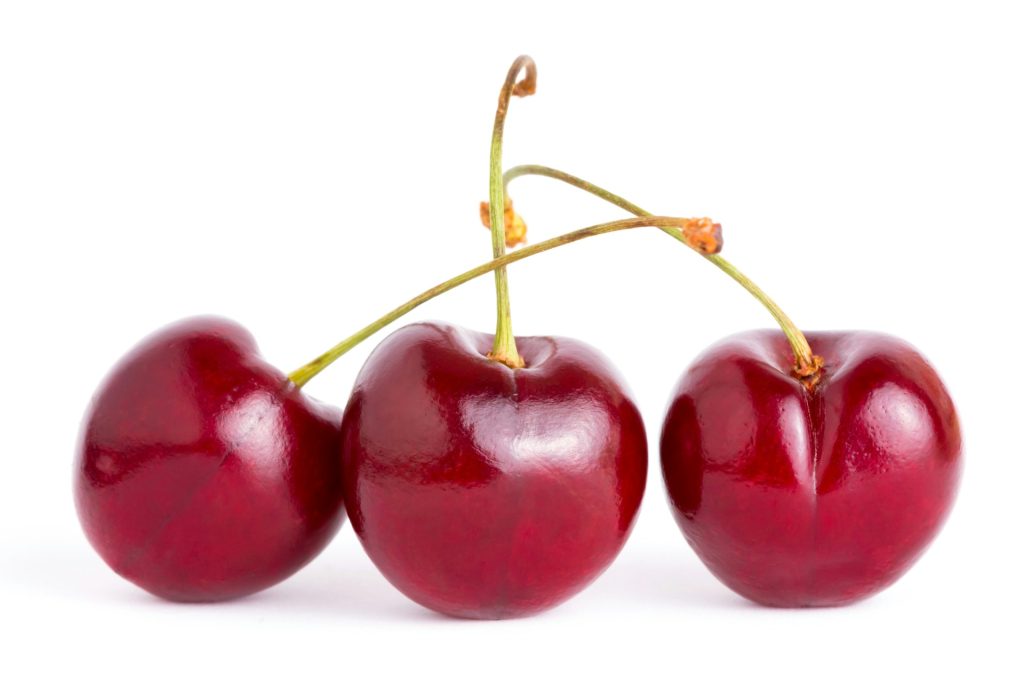
Header photo by Julita Jerominiak on Unsplash. Three cherries photo by Bermix Studio on Unsplash.